Camed Groovy Font: Funky Display Type for Crafters
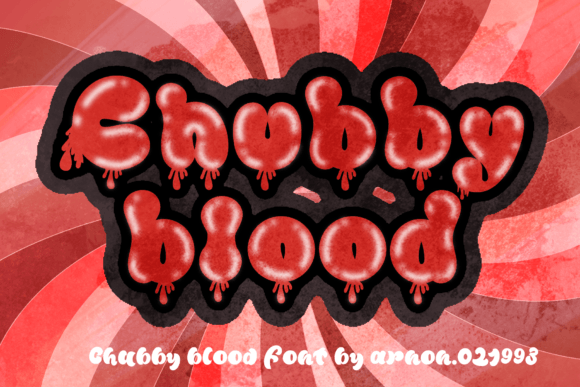
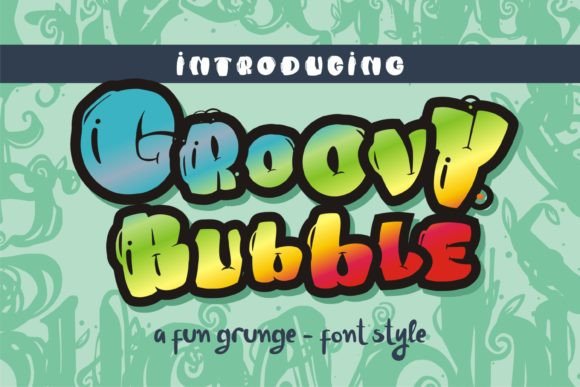
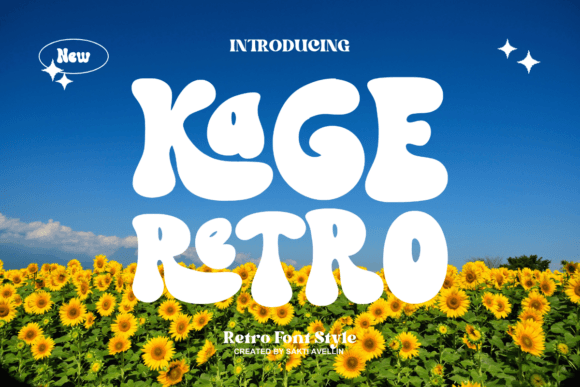
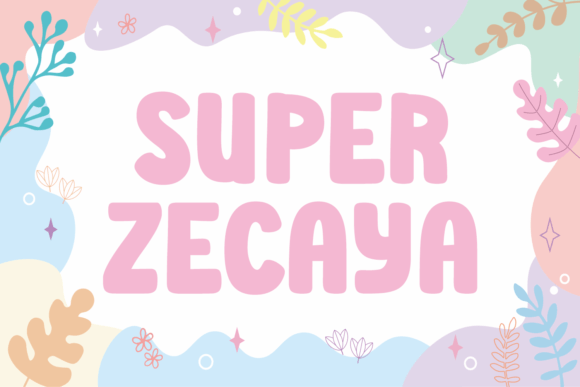
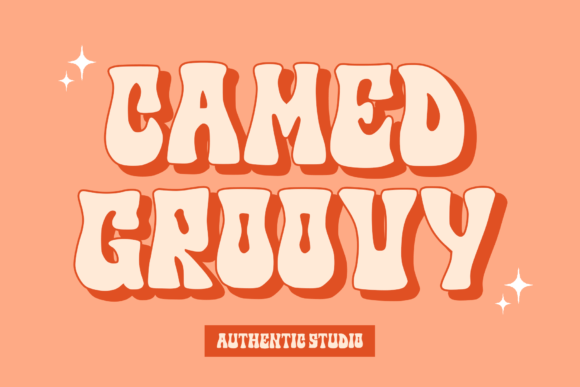
As a maker and small business owner, finding the right typeface is often about balancing personality with production reality. We need fonts that look incredible on screen but also cut cleanly on a Cricut, print legibly on textured cardstock, and maintain their charm when scaled down for a 2-inch sticker. Camed Groovy is a display font that hits this specific sweet spot for creative entrepreneurs. It offers an aesthetic shape that fits diverse design needs while providing that essential touch of funk and personality required to make handmade products stand out in a saturated market.
This isn't just another retro novelty typeface; it is a versatile tool for product creators. Whether you are designing album covers, boutique packaging, or digital planner stickers, Camed Groovy brings a warm, nostalgic vibe without sacrificing modern readability. For those of us running Etsy shops or selling at craft fairs, having a go-to premium font that bridges the gap between artistic expression and commercial utility is invaluable.
Elevating Physical Products and Packaging
The true test of any display font is how it performs on physical goods. Camed Groovy excels in packaging design because its letterforms have enough weight to hold ink well on various materials. When creating labels for candles, soaps, or artisanal food items, readability is paramount. Customers need to identify the scent or flavor instantly, but they also want to feel the handcrafted nature of the brand. This font provides a bold header that anchors the label while suggesting a playful, approachable brand identity.
Consider using Camed Groovy for:
- Product Tags and Hang Tags: The sturdy construction of the letters ensures they remain legible even when printed at small sizes on kraft paper or recycled cardstock.
- Tote Bags and Apparel: Screen printing and heat transfer vinyl (HTV) require fonts with consistent stroke widths. Camed Groovy’s balanced geometry prevents ink bleed-out or weeding nightmares during production.
- Sticker Sheets: For die-cut stickers, the font’s distinct shapes create satisfying silhouettes that are easy to peel and apply.
- Seasonal Signage: From farmers' market chalkboards to holiday sale signs, the funky character of this typeface draws the eye from a distance.
When applied to these mediums, the font affects perceived quality. A generic system font can make a handmade item look like a placeholder, whereas a curated creative font like Camed Groovy signals intentionality and professional craftsmanship. It tells the customer that every detail, including the typography, was chosen with care.
Digital Downloads and Printable Design
For creators focused on digital assets, templates, and printables, Camed Groovy serves as a powerful hook. In the world of instant downloads, your thumbnail image must communicate value in a split second. Using this font for titles on wall art prints, wedding invitation suites, or social media templates creates immediate visual interest. It lends itself particularly well to projects requiring a retro-modern fusion, such as 70s-inspired party stationery or groovy affirmation cards.
Because it is a display font, it works best for short phrases, names, titles, and decorative wording rather than body text. When designing a printable birthday banner, use Camed Groovy for the "Happy Birthday" statement and pair it with a clean sans serif font for the age or date details. This hierarchy ensures the design remains functional while maximizing the aesthetic impact of the main headline. For digital planners and GoodNotes stickers, the font adds a layer of texture and personality that standard digital typefaces often lack, making the user experience feel more tactile and personal.
Practical Readability and Cutting Machine Tips
While Camed Groovy is undeniably stylish, practical application requires some technical mindfulness, especially for crafters using cutting machines. The font’s aesthetic shape is generally robust, but always perform a test cut before committing to a large batch of vinyl decals or iron-on transfers. If you are working with intricate glitter HTV or flock vinyl, slightly increasing the letter spacing (tracking) can prevent the material from tearing during the weeding process.
For printed products like greeting cards or invitations, pay attention to contrast. This font carries significant visual weight, so it pairs beautifully with ample negative space. Avoid placing it over busy photographic backgrounds unless you add a subtle drop shadow or outline to maintain legibility. When creating mockups for your online listings, ensure the font renders clearly at mobile viewing sizes. If the groovy details get lost in a tiny thumbnail, consider using a bolder weight or simplifying the layout for the preview image while keeping the full detail in the final downloadable file.
Strategic Font Pairing for Brand Consistency
To build a cohesive brand identity, Camed Groovy needs supportive partners. As a expressive display font, it should be the star of the show, not competing for attention. Here are effective pairing strategies for handmade businesses:
- With a Clean Sans Serif: Pair Camed Groovy with a geometric sans serif like Montserrat or Lato for product descriptions and pricing. The simplicity of the sans serif grounds the funkiness of the display font, ensuring all necessary information is easily digestible.
- With a Delicate Script: For wedding stationery or feminine branding, combine Camed Groovy with a refined handwritten font. Use the groovy font for the couple's names or event title and the script for secondary details like "Reception to Follow." This mixes retro cool with romantic elegance.
- With a Classic Serif: For a sophisticated, editorial look in zines or album covers, pair it with a traditional serif font. The contrast between the modern, funky display type and the historic structure of a serif creates a dynamic, high-end tension suitable for premium goods.
Consistent use of these pairings across your shop banners, product labels, and social media graphics helps establish brand recognition. Customers begin to associate that specific typographic voice with your unique creations.
Licensing and Commercial Considerations
Before integrating Camed Groovy into your product line, always verify the specific license included with your purchase. For small business owners and sellers, understanding commercial font licensing is non-negotiable. Most desktop licenses cover the creation of physical end-products like shirts, mugs, and printed stationery where the font is flattened into the design. However, if you plan to sell editable templates (like Canva or Corjl templates), SVG cut files where the text remains editable, or digital stamps, you may require an extended or special commercial license.
Additionally, check the file formats included. OTF and TTF files are standard for desktop design software like Illustrator, Photoshop, or Affinity Designer. If you are primarily a Cricut or Silhouette user, ensure the font installs correctly on your operating system and syncs with your cutting software. Some versions of display fonts include alternates, ligatures, or swashes that can add extra customization to your work; exploring these OpenType features can help differentiate your products from other sellers using the same base typeface. Always respect the type designer’s terms to ensure your handmade business remains both creative and compliant.